Self regulation
What is it ?
Self-regulation is the ability to understand and manage your emotions and behaviour in response to things happening around you. It helps you to control your impulses (to make better decisions), to not over-react when upset or excited, and to be able to calm down after an incident, should one occur.
In order to understand this as an adult picture this in your mind and see how you feel when you have read the bullet points :
- we need to take a step back and remember what it feels like when we become upset. Do you remember the last time that you were frustrated and wanted to scream?
- Like the time that you were running late and you had to stop at every single red light on the way to the supermarket. You are feeling annoyed right now, but you can deal with it. Then, the only open parking spot was at the every end of the car park (and it was next to a HUGE Van that parked over their side of the line.) Ugh. You feel your fists clenching a bit as you try to squeeze out of your door.
- When you walk up to the store, there are no trolleys. You walk around outside to find one. You roll your eyes as your patience is tempted. As soon as you walk into the store, you realize the shopping trolly you picked has wonky wheels.
- You’ve had a rough day, but you are almost done. After standing in the 20 minute checkout line (because for some reason the supermarket decided to only have TWO checkout lines open at 5pm on a Friday) you are now able to load your groceries onto the conveyor belt.
Now you know what a child feel’s when they don’t understand their emotions and how do we teach them the strategies of coping ?

To help children understand their emotions, actively talk about feelings during everyday conversations, label emotions by naming them clearly, model emotional awareness by expressing your own feelings, validate their emotions, and teach coping strategies to manage strong emotions when they arise; essentially, providing children with the language and support to identify and express their feelings effectively.
Key strategies:
-
Label emotions:Actively name emotions as you see them in your child and others, using words like “happy,” “sad,” “frustrated,” or “excited.”
-
Ask about feelings:Regularly check in with your child by asking “How are you feeling?” and encourage them to express their emotions
-
Model emotional expression:Share your own feelings openly, explaining how you are feeling in a situation to demonstrate emotional awareness
-
Validate their emotions:Acknowledge their feelings and let them know it’s okay to feel the way they do
-
Use age-appropriate language:Explain emotions in a way that is easy for your child to understand based on their age
-
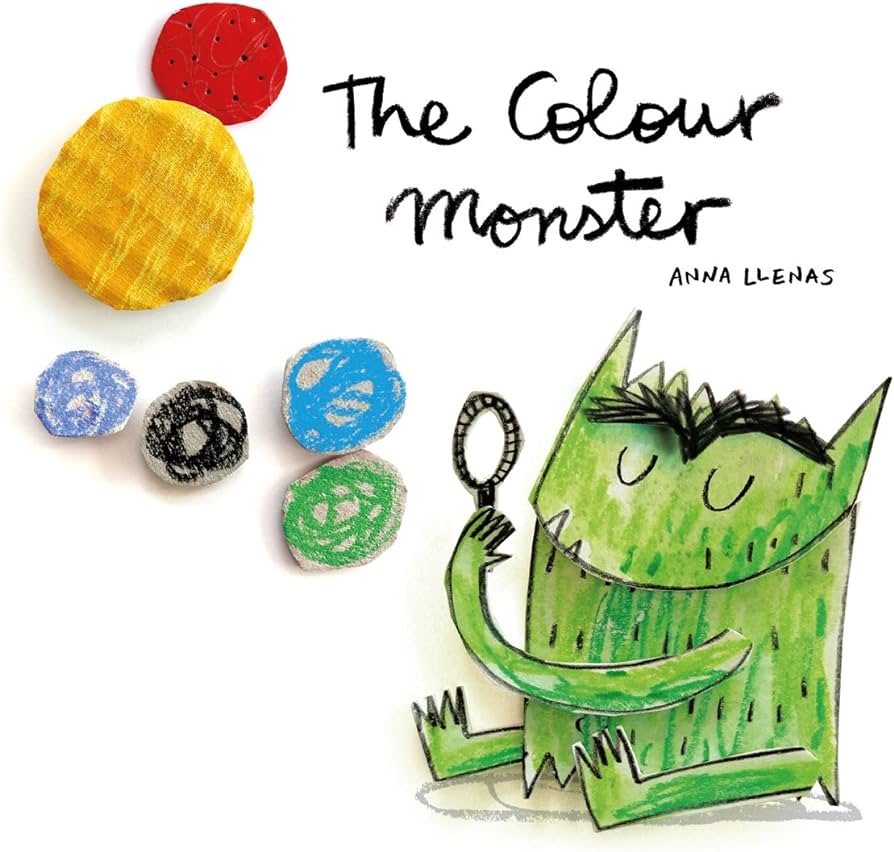
Read books about emotions:Utilize children’s books that discuss different emotions to spark conversation and help them identify feelings, The colour monster is a great one for children you can also buy the puppets to go with the book
-
Practice empathy:Encourage your child to consider how others might be feeling in different situations
-
Teach coping mechanisms:Help children develop healthy strategies to manage strong emotions, like deep breathing or counting
-
Create a supportive environment:Foster a safe space where your child feels comfortable expressing their feelings without judgment
The link below will take you to the examples of the strategies below, just click into it and then wait for the video.
Also remember that these strategies are dependant on the level of understanding your child has.
